描述
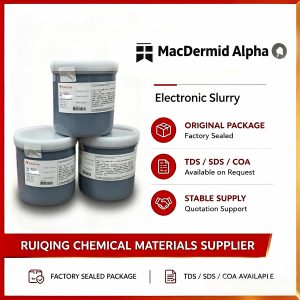
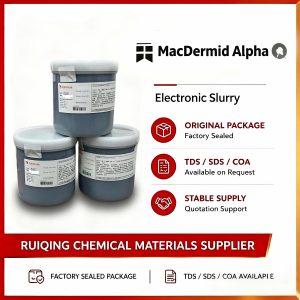
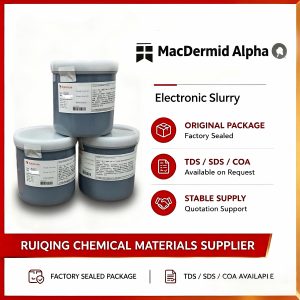
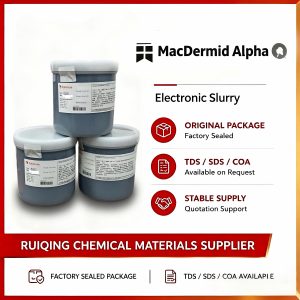
MacDermid Alpha Micromax 5036 Solvent-Based Heat Seal Encapsulant for Membrane Switch
Type: Encapsulant / Heat Seal Ink
Application: Membrane Switch Dielectric
Color: Cream
Solids: 28.9–30.6%
Shelf Life: 6 months
Micromax 5036 is a solvent-based, screen printable encapsulant and heat seal ink for membrane switch circuitry. It cures fast, holds 5B adhesion to polyester and conductors, and can serve as a barrier layer against graphic ink overprint. It is also compatible as a blend member for Micromax 7102 and 7082 carbon conductors.
Micromax 5036 from MacDermid Alpha is a solvent-based, screen printable polymeric composition developed for heat-sealing circuitry and encapsulant application. It provides a protective layer over circuitry and can act as a barrier for graphic ink overprint. The cured film adheres to polyester and conductor surfaces, and the ink offers rapid curing to keep production cycles short. It also works as a blend member for Micromax 7102 and 7082 carbon conductors, letting you tune conductivity and protection in one system.
The ink carries 28.9–30.6% solids, density 1.08 g/cm³, and viscosity 20–35 Pa.s. Drying runs 5–20 minutes at 120–130°C in a belt dryer, or up to 20 minutes in a box oven. Cured film thickness ranges 12.7–25.4 μm, or 0.5–1.0 mil after cure. Electrical performance includes dielectric constant ≤5 at 1 KHz, insulation resistance ≥1E10 Ohm, and breakdown voltage 500 V. Pencil hardness is ≥1H, with no opens after a 180° crease over Micromax 5007. Heat-sealing is generally recommended at 120–125°C. Store sealed at 5–30°C; unopened shelf life is 6 months.
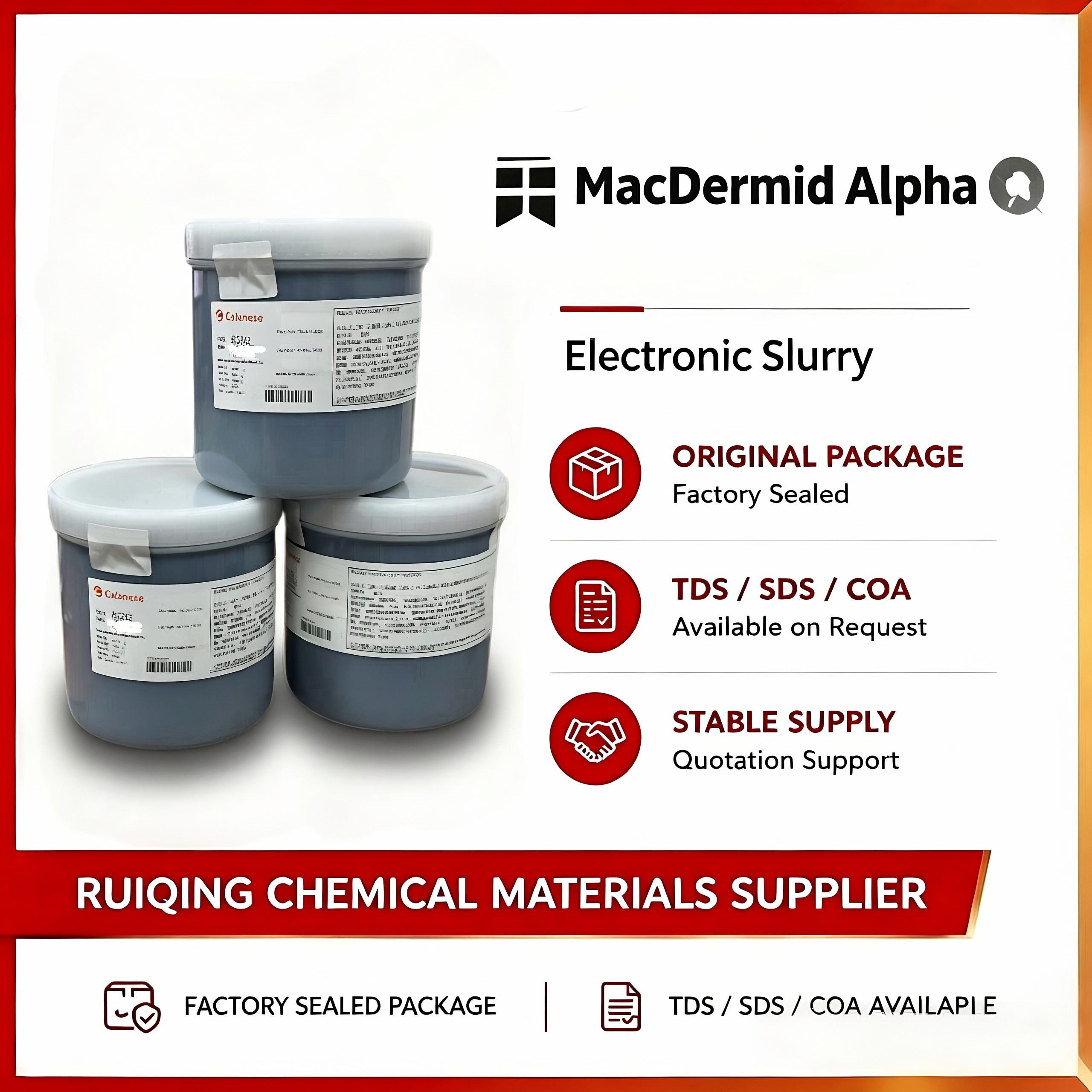
Genuine MacDermid Alpha Micromax Imported Stock & Technical Support
We hold regular stock of authentic MacDermid Alpha Micromax 5036 solvent-based encapsulant ink. Original factory TDS and batch-specific COA are available on request for your membrane switch and heat-seal circuitry programs.
Request Sample, TDS & Quotation
Complete TDS, COA, and regulatory documentation available
Key Features of MacDermid Alpha Micromax 5036
- Solvent-based, screen printable ink for heat-sealing circuitry and encapsulant use
- Barrier layer against graphic ink overprint
- Rapid cure for short production cycles
- 5B adhesion class to polyester and conductors
- Dielectric constant ≤5 at 1 KHz
- Insulation resistance ≥1E10 Ohm; breakdown voltage 500 V
- Blend member for Micromax 7102 and 7082 carbon conductors
- Pencil hardness ≥1H; no opens after 180° crease over Micromax 5007
- Drying 120–130°C for 5–20 minutes (belt dryer); box oven up to 20 minutes
- Recommended film thickness 12.7–25.4 μm (0.5–1.0 mil after cure)
- Adheres to polyester, polyimide, and epoxy glass
- Heat-sealing recommendation 120–125°C
Primary Applications
- Membrane switch dielectric — encapsulant layer for switch circuitry
- Heat-sealing circuitry — heat-seal layer in flexible switch assemblies
- Barrier layer — protection against graphic ink overprint
- Blend member — used with Micromax 7102 and 7082 carbon conductors
Full Technical Specifications
| Property | Typical Value | TDS Reference |
| Product Type | Solvent-based encapsulant / heat seal ink | TDS: Encapsulant / Blend Member / Heat Seal |
| Application | Membrane switch dielectric | TDS: Membrane switch dielectric |
| Color | Cream | TDS: Cream |
| Solvent or Thinner | Micromax 3610 | TDS: Micromax 3610 |
| Density | 1.08 g/cm³ | TDS: 1.08 g/cm³ |
| Solid Content | 28.9 to 30.6 % | TDS: 28.9 to 30.6 % |
| Maximum Service Temperature | 90 °C | TDS: 90 °C |
| Viscosity | 20 to 35 Pa.s | TDS: 20 to 35 Pa.s |
| Mask Mesh | 200 to 325 | TDS: 200 to 325 |
| Drying Time | 5 to 20 minutes (belt dryer); 20 minutes (box oven) | TDS: 5 to 20 min |
| Drying Temperature | 120 to 130 °C | TDS: 120 to 130 °C |
| Recommended Film Thickness | 12.7 to 25.4 μm | TDS: 12.7 to 25.4 μm |
| Adhesion | 5B class | TDS: Dielectric to Polyester Scotch Tape #600; Conductor to Dielectric ASTM D2259-78 |
| Dielectric Constant | ≤ 5 | TDS: ASTM D150, at 1 KHz |
| Insulation Resistance | ≥ 1E10 Ohm | TDS: sq at 25.4μm |
| Breakdown Voltage | 500 V | TDS: ASTM D150, V/25.4μm DC |
| Substrate Compatibility | Polyester, polyimide, epoxy glass | TDS: Polyester, polyimide, epoxy glass |
| Screen Types | Stainless steel, polyester | TDS: Stainless steel, polyester |
| Printing Methods | Semiautomatic and manual | TDS: Semiautomatic and manual |
| Typical Thickness After Cure | 0.5 – 1.0 mil | TDS: 0.5 – 1.0 mil with 200-325 mesh stainless steel screen |
| Work Life | > 2 hours | TDS: > 2 hours |
| Clean-up Solvent | Methyl proposol acetate | TDS: Methyl proposol acetate |
| Abrasion Resistance, Pencil Hardness | ≥ 1H | TDS: ≥ 1H (ASTM D3363-74) |
| Flexibility | No opens | TDS: 180° crease over Micromax 5007 |
| Heat Seal Temperature | 120 to 125 °C | TDS: 120 – 125°C |
| Blend Compatibility | Micromax 7102 and 7082 carbon conductors | TDS: blend member for Micromax 7102 and 7082 |
| Shelf Life | 6 months | TDS: 6 months |
| Storage Temperature | 5 – 30 °C | TDS: 5°C – 30°C |
Note: All listed values are typical and may vary by batch. Values based on MacDermid Alpha official TDS. Independent qualification testing is required prior to production use.
Recommended Processing Conditions
| Parameter | Recommended Value | TDS Reference |
| Mixing Prior to Use | Thoroughly mix to redisperse solids | TDS: thoroughly mix |
| Screen Mesh | 200 to 325 mesh stainless steel or polyester | TDS: 200 to 325 |
| Printing Methods | Semiautomatic and manual | TDS: Semiautomatic and manual |
| Drying (Belt Dryer) | 120–130°C for 5–20 minutes | TDS: 5 to 20 min |
| Drying (Box Oven) | 120–130°C for 20 minutes | TDS: increase drying time to 20 minutes |
| Heat Sealing | 120–125°C (conditions vary by equipment) | TDS: 120 – 125°C |
| Clean-up Solvent | Methyl proposol acetate | TDS: Methyl proposol acetate |
| Thinner | Micromax 3610 | TDS: Micromax 3610 |
| Work Life | > 2 hours | TDS: > 2 hours |
Handling and Storage Recommendations
| Storage Rules | Store tightly sealed in a clean, stable environment at 5-30°C. | TDS: 5°C – 30°C |
| Shelf Life | 6 months in unopened containers from date of shipment. | TDS: 6 months |
| Pre-use Preparation | Thoroughly mix prior to use. Some settling of solids may occur during storage. | TDS: thoroughly mix |
| Transportation | Under normal shipping conditions, no temperature control is expected. For extended transport periods, confirm product suitability. | TDS: normal shipping conditions |
Official Technical Documentation
| Document Type | Document Introduction | Document Request |
| TDS | MacDermid Alpha Micromax 5036 original factory technical data sheet | Request TDS |
| COA | Batch-specific certificate of analysis | Request COA |
| SDS | Safety Data Sheet for handling and storage | Request SDS |
Frequently Asked Questions
Why use 5036 as an encapsulant rather than a conductive ink?
5036 is a protective solvent-based layer, not a conductor. Its purpose is to heat-seal circuitry and encapsulate the top surface. The TDS also notes it can act as a barrier for graphic ink overprint, which helps keep decoration and circuitry from interfering with each other.
How does the blend option with 7102 and 7082 work?
The TDS lists 5036 as a blend member for Micromax 7102 and 7082 carbon conductors. The published blend curve shows how resistivity shifts from 1,000 Ω to 550,000 Ω/sq at 14μm as the blend ratio changes, letting you tune conductivity and protection in one system.
What electrical performance does the cured film deliver?
Dielectric constant is 5 or less at 1 KHz. Insulation resistance is 1E10 Ohm or higher at 25.4μm, and breakdown voltage is 500 V per 25.4μm DC.
Can 5036 handle flexing in switch assemblies?
Yes. The TDS lists no opens after a 180° crease over Micromax 5007, and pencil hardness is 1H or higher. This combination supports repeated handling in membrane switch builds.
Is heat sealing always required after curing?
Heat sealing is the intended function of 5036, with a general recommendation of 120–125°C. Exact heat seal conditions will vary depending on the equipment used, so parameter confirmation on your own line is recommended.
Which drying schedule fits box oven versus belt dryer?
For belt dryer, 5–20 minutes at 120–130°C. For box oven, increase drying time to 20 minutes. Curing in a well-ventilated oven or conveyor dryer is expected.
What screen mesh suits 5036?
The TDS lists 200 to 325 mesh, using stainless steel or polyester screens. Cured film thickness ranges 12.7–25.4 μm, which corresponds to 0.5–1.0 mil after cure.
Get MacDermid Alpha Micromax 5036 Bulk Pricing and Technical Support
We supply authentic MacDermid Alpha Micromax 5036 solvent-based encapsulant ink for membrane switch and heat-seal circuitry programs. Contact our team for bulk quotations, sample availability, technical documentation, and application support.
Inquire Bulk Price & Technical Support
Disclaimer: All technical data on this page are for general guidance only and are not product specifications. Buyers must carry out independent trials and verify suitability before bulk ordering. Actual values may vary between production lots.